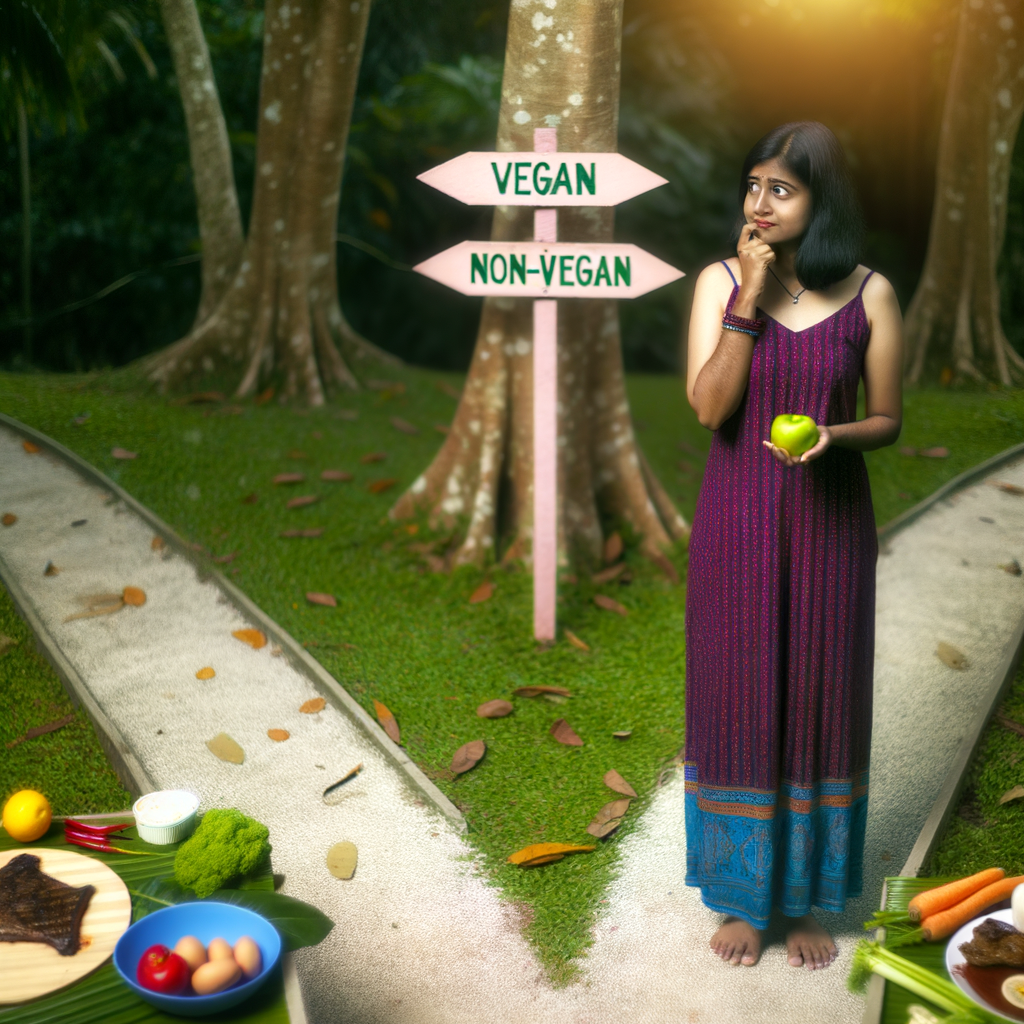
Transitioning from Vegan or Vegetarian: A Personal Journey

Written by:

## Transitioning from Vegan or Vegetarian: A Personal Journey

Transitioning from a vegan or vegetarian lifestyle back to incorporating animal products is an immensely personal and complex experience. The reasons for this shift can span a variety of motivations, from health concerns to lifestyle changes. In this blog post, we’ll explore what it’s like to give up the labels of vegan or vegetarian and reintroduce meat into one’s diet.

### The Initial Motivation Behind Going Vegan or Vegetarian

For many, the decision to adopt a vegan or vegetarian lifestyle is driven by:

  • Ethical considerations – Animal welfare is a significant concern.
  • Environmental impact – Reducing one’s carbon footprint is often a strong motivator.
  • Health benefits – Many people turn to these diets for their potential health advantages.
  • These compelling factors can make the transition back to meat consumption emotionally and psychologically challenging.

    ### The Turning Point

    Each journey away from veganism or vegetarianism is unique, often triggered by a specific event or realization:

    #### Health Issues

    Some might face health challenges that point to the need for dietary changes. Common health concerns include:

  • Vitamin deficiencies – Iron and B12 deficiencies are particularly common.
  • Digestive problems – Some individuals encounter issues with constant bloating or digestive discomfort.
  • Energy levels – Feeling perpetually fatigued can push someone to reconsider their eating habits.
  • It is crucial to consult with a healthcare professional to ensure that these dietary changes are effectively addressing health issues.

    #### Lifestyle Changes

    Life can bring changes that necessitate a dietary shift, such as:

  • Pregnancy – Some expectant mothers might find it challenging to meet their nutritional needs on a vegan or vegetarian diet.
  • Travel – Frequent travel, especially to regions with limited plant-based options, can make maintaining a vegan or vegetarian diet difficult.
  • Social aspects – Cultural and social events sometimes make it easier to join in if one adapts their dietary preferences.
  • ### Emotional and Psychological Aspects

    #### Guilt and Identity

    Transitioning from a vegan or vegetarian lifestyle can be laden with emotional complexity. Common feelings include:

  • Guilt – Many feel they are betraying their ethical principles or the community they once strongly identified with.
  • Identity crisis – Identifying as a vegan or vegetarian often becomes part of one’s identity, and abandoning this label can lead to an identity struggle.
  • It can be helpful to approach this transition with a compassionate mindset, understanding that dietary choices are deeply personal and can evolve over time.

    ### Practical Steps to Transition

    Reintroducing animal products doesn’t have to be abrupt or overwhelming. Here are some practical steps:

    #### Gradual Reintroduction

  • Start small – Begin with easier-to-digest options like fish or poultry before moving on to red meats.
  • Mindful eating – Paying attention to how your body reacts to new food can help identify any issues.
  • #### Seeking Guidance

  • Nutritional expertise – A dietitian can help ensure a balanced diet during the transition.
  • Culinary experimentation – Try new recipes that incorporate both plant-based and animal products to ease into the change.
  • ### Social Repercussions

    #### Addressing Judgment

    One of the daunting aspects of this transition is potential judgment from peers in the vegan or vegetarian community. It’s important to:

  • Be honest – Sharing your personal reasons for the change can foster understanding.
  • Seek supportive circles – Surround yourself with people who respect your choices, irrespective of dietary preferences.
  • #### Educating Others

    Sometimes, explaining your journey can also help educate and dispel myths:

  • Open dialogues – Engage in conversations that discuss the complexity of dietary choices.
  • Breaking stereotypes – Illustrate that dietary changes do not undermine the values held by vegans or vegetarians.
  • ### Sustainable and Ethical Choices

    Even after reintroducing meat, many still strive to make ethical choices:

    #### Sustainable Options

  • Local sourcing – Buying from local farms can ensure higher welfare standards and reduced environmental impact.
  • Organic and grass-fed options – These often promise better quality of life for animals and a lower carbon footprint.
  • #### Moderation

  • Flexitarian approach – Continue to consume predominantly plant-based meals with occasional animal products.
  • Conscious consumption – Being mindful of portion sizes and the source of meat can make a significant difference.
  • ### Conclusion

    Transitioning from vegan or vegetarian can be a multifaceted journey filled with emotional, psychological, and physical challenges. It’s essential to approach this change with patience, compassion, and awareness. Remember, your dietary choices should ultimately support your overall well-being and align with your evolving values.

    Adopting a flexible mindset can help navigate this transition more smoothly, ensuring you make informed, balanced, and sustainable choices. Whether you’ve been vegan or vegetarian for years or a brief period, remember that life’s fluid nature often necessitates change, and it’s okay to honor your health and personal needs without guilt.

    Leave a Reply

    Discover more from Veggiesaur

    Subscribe now to keep reading and get access to the full archive.

    Continue reading